
Meraki Z3 (Z3-HW) End-of-Life: Migrating to the Z4
The Cisco Meraki Z3 teleworker gateway went end-of-sale on September 4, 2024, with support ending September 4, 2029. Here is what each milestone means and how to plan a clean cutover to the Wi-Fi 6 Meraki Z4.

The Cisco Meraki Z3 Cloud Managed Teleworker Gateway (PID Z3-HW) was, for years, the default way to extend a corporate network into a home office, a hotel desk, a clinic exam room, or a small remote site. It is a compact, fanless box an end user can plug in with zero on-site IT, while the security team keeps full policy control from the Meraki dashboard. That model still works, but the Z3 has now entered its end-of-life cycle: Cisco announced end-of-sale on September 4, 2024, and the last day of support lands on September 4, 2029. If you still have Z3 units in production, or a drawer of spares, this guide explains exactly what those dates mean for your risk posture and how to move to the functionally equivalent successor, the Meraki Z4 (PID Z4-HW).
Why the Z3 end-of-life matters now, not in 2029
It is tempting to read "last day of support: 2029" as permission to do nothing for years. For a security appliance deployed across dozens or hundreds of uncontrolled remote locations, that is the wrong read. The end-of-sale date already stopped new Z3 purchases through normal channels, so your install base can only shrink as units fail. More importantly, a teleworker gateway is part of your security perimeter: it terminates the AutoVPN tunnel back to a corporate Meraki MX, it carries the home user's traffic under your firewall and content-filtering policy, and it sits in an environment you do not physically control. Once a product passes its support horizon, three things stop that directly affect that perimeter.
- Security firmware ends. After the last day of support, the Z3 stops receiving the firmware updates that carry PSIRT vulnerability fixes. A VPN-terminating edge device with no path to patch a future CVE is exactly the kind of finding auditors flag and attackers hunt for.
- TAC and RMA end. No Cisco TAC case, no advance hardware replacement. When a unit dies in a remote worker's home, your only option is a same-model spare you already own, and those become scarcer every year after end-of-sale.
- Compliance exposure grows. FedRAMP, CMMC, HIPAA, PCI DSS, and most agency ATOs require that perimeter and remote-access devices remain vendor-supported and patchable. Running unsupported gear on a remote-worker path is a documented deficiency you will have to remediate or accept as risk.
For federal, DoD, SLED, and healthcare buyers in particular, the practical deadline is not 2029. It is the date of your next audit cycle or ATO renewal, because an end-of-life device on an accreditation boundary is a finding regardless of how many years of "support" technically remain. Planning the refresh now, while you can stage hardware and stagger shipments, is far cheaper than an emergency swap after a failure or an audit.
What each Z3 milestone date actually means
End of Sale: September 4, 2024
This was the last date Cisco accepted new Z3-HW orders through standard channels. After it, the Z3 is no longer orderable new; the only supply is remaining authorized-partner stock and the secondary market. From this point the support clock starts running toward the fixed end dates below.
End of Software Maintenance: not applicable
Meraki devices do not follow the per-release software lifecycle of a standalone IOS-XE or ASA box, because firmware is delivered centrally from the cloud and there are no separately licensed software trains to retire. In practice the Z3 keeps receiving cloud-pushed firmware until the hardware reaches its last day of support, at which point updates stop. The takeaway: treat September 4, 2029, as both your hardware and your software cutoff.
Last Day of Support (LDoS): September 4, 2029
This is the hard line. After it, Cisco provides no TAC, no RMA, no security firmware, and no bug fixes for the Z3. A unit may keep working, but it does so unsupported and unpatchable. Any Z3 still on a production remote-access path past this date should be treated as accepted risk that must be documented.
The recommended replacement: Meraki Z4 (Z4-HW)
The Z4 is the direct, like-for-like successor to the Z3. It keeps everything that made the Z3 useful, a compact, fanless, dashboard-managed gateway that a non-technical remote worker can self-install, while modernizing the wireless and wired performance that had aged on the Z3. The single most consequential upgrade is the radio: the Z3 shipped 802.11ac Wave 2 (Wi-Fi 5), and the Z4 moves to 802.11ax (Wi-Fi 6).
What concretely gets better
- Wi-Fi 6 instead of Wi-Fi 5. The Z4's 802.11ax dual-band radios add OFDMA and improved MU-MIMO, which is the difference that matters in a real home: a teleworker's laptop, soft phone, two video calls, and a dozen IoT and family devices all share airtime far more efficiently. OFDMA lets the AP service many small frames in a single transmission, cutting latency and jitter on the exact voice and video traffic remote workers depend on.
- Higher effective throughput. With Wi-Fi 6 and 1024-QAM the Z4 delivers meaningfully higher real-world wireless throughput than the Z3's Wave 2 radios, so the gateway stops being the bottleneck on faster home broadband.
- Same self-install model, better client capacity. Like the Z3, the Z4 is a teleworker gateway, not a campus AP, but Wi-Fi 6 raises the number of concurrent clients it handles cleanly before contention degrades the experience. That headroom matters as home device counts keep climbing.
- Modern wired ports with PoE. The Z4 continues the Z3's pattern of multiple gigabit LAN ports plus a dedicated WAN/internet port, and retains a PoE-capable port so a downstream Meraki AP or a PoE desk phone can be powered directly from the gateway, no separate injector at the remote site.
- Identical management and security model. Both run from the same Meraki dashboard with AutoVPN back to your MX, Layer 7 firewall and traffic shaping, content filtering, and group policies. There is no new controller, no NMS, and no learning curve, your existing dashboard org, network templates, and policies carry straight over.
A practical Z3-to-Z4 migration plan
1. Assess and inventory
Pull a full list of Z3 serials from the Meraki dashboard and reconcile it against who actually holds each unit, remote employees, clinic rooms, retail counters, kiosk sites. Capture each device's current network assignment, firmware, license expiry, and the policies bound to it. This inventory is also your audit artifact: it documents which boxes are on a regulated remote-access path and need to be prioritized.
2. Plan the license transition
Order Z4 hardware plus matching Meraki subscription licenses through an authorized partner, and decide your co-termination strategy up front. Because licenses are per-device and do not migrate from Z3, the cleanest approach is to license the Z4 fleet to a common end date that lines up with your broader Meraki renewal or Enterprise Agreement.
3. Confirm config and feature parity
Build a Z4 network template that mirrors your Z3 configuration: SSIDs, VLANs, AutoVPN hub assignment, firewall and traffic-shaping rules, content filtering, and group policies. Because both generations live in the same dashboard, this is largely a copy-forward exercise, but validate the few areas that differ, port count and PoE budget, radio settings that are Wi-Fi 6 specific, and any per-port profiles. Claim the new serials into the dashboard and pre-stage them against the template before anything ships.
4. Handle the physical realities at the remote site
The Z4 keeps the Z3's small, fanless, desk-friendly form factor, so most users can place it exactly where the old unit sat. Check three things per site: that the home or remote broadband handoff still lands on the WAN port as expected, that any device the user was powering off the Z3's PoE port (an AP, a phone) maps to the Z4's PoE port and stays within its power budget, and that the wired LAN devices (printers, desk phones, a workstation) have enough ports. For users who want to take full advantage of Wi-Fi 6, remind them it only helps with Wi-Fi 6 capable client devices, though older clients still connect and benefit from the cleaner airtime.
5. Phased cutover
Do not flash-cut a whole fleet. Pilot with a small group of technical users, confirm AutoVPN comes up, policy applies, and throughput meets expectations, then roll out in waves. Because the Z4 self-installs, the typical pattern is to ship the pre-staged unit to the user, have them plug it in and confirm it appears healthy in the dashboard, then remove the old Z3 from the network. Keep the cutover windows short per user so no one is offline waiting.
6. Secure decommission
Returned Z3 units must be removed from the dashboard org, unassigned from licenses, and factory reset so no residual configuration, keys, or VPN parameters leave with the hardware. For federal and healthcare environments, follow your media-sanitization standard (NIST SP 800-88 style) and document each serial's disposition. Do not resell or e-waste a security appliance without a verified wipe and a recorded chain of custody.
Procurement notes for regulated buyers
- TAA and sourcing. Confirm the Z4 build meets your Trade Agreements Act requirements and request country-of-origin documentation up front for federal and DoD orders.
- Lead times. Because the Z3 is end-of-sale, do not count on emergency spares. Order Z4 hardware on a schedule that lets you stage and ship before your audit or ATO milestone, not after a failure.
- Buy through an authorized partner. Purchasing Z4 hardware and licenses through an authorized Cisco Meraki partner protects warranty, license registration, and TAC eligibility, gray-market gear often arrives with licensing or support gaps that surface at the worst time.
- Contract vehicles. For SLED and federal buyers, align the refresh to your existing purchasing vehicle so the Z4 fleet lands on familiar terms and pricing.
You can review the full lifecycle record for this product on our Z3-HW end-of-life page, browse other affected models on the Cisco end-of-life hub, and check current Meraki teleworker and security hardware on our catalog. When you are ready to size a Z3-to-Z4 refresh with TAA-compliant hardware, co-terminated licensing, and pre-staged dashboard templates, get a quote and our team will build the bill of materials and migration plan around your remote-site footprint.
Frequently asked questions
When does the Cisco Meraki Z3 (Z3-HW) reach end of support?
The Z3 went end-of-sale on September 4, 2024, and its last day of support is September 4, 2029. After that date there are no security firmware updates, no TAC support, and no RMA replacements. Plan your refresh around your next audit or ATO cycle rather than the 2029 date, since an end-of-life device on a remote-access path is a finding well before support technically ends.
What is the recommended replacement for the Meraki Z3?
The Cisco Meraki Z4 (PID Z4-HW) is the direct successor. It is the same compact, fanless, dashboard-managed teleworker gateway with the same AutoVPN and policy model, upgraded from Wi-Fi 5 (802.11ac Wave 2) to Wi-Fi 6 (802.11ax) with OFDMA, higher throughput, better client capacity, and a PoE-capable port for a downstream AP or phone.
Can I transfer my Z3 licenses to the Z4?
No. Meraki uses per-device subscription licensing, and Z3 licenses do not migrate to Z4 hardware. Each Z4 needs its own term license. The cleanest approach is to license the new fleet to a common co-termination date that aligns with your broader Meraki renewal or Enterprise Agreement.
Will my existing Meraki dashboard configuration carry over to the Z4?
Largely yes. Both generations run from the same Meraki dashboard, so SSIDs, VLANs, AutoVPN hub assignment, firewall and traffic-shaping rules, content filtering, and group policies copy forward via a network template. Validate the Wi-Fi 6 specific radio settings and the port/PoE differences, then pre-stage each Z4 against the template before it ships.
What should I do with decommissioned Z3 units?
Remove each unit from your dashboard org, unassign its license, and factory reset it so no configuration, keys, or VPN parameters leave with the hardware. For federal and healthcare environments, follow a NIST SP 800-88 style media-sanitization process and record each serial's disposition with chain of custody before disposal or resale.
Uniqcli Team
The Uniqcli Team is an authorized Cisco partner specializing in Catalyst wireless, switching, datacenter fabric, licensing, and managed services for U.S. federal, state, local, and education customers. We scope Cisco bills of materials, validate procurement paths (TAA, FIPS, contract vehicles), and deliver design, deployment, and managed operations.
Ready to scope your Cisco build?
Build a quoteRelated reading
View all →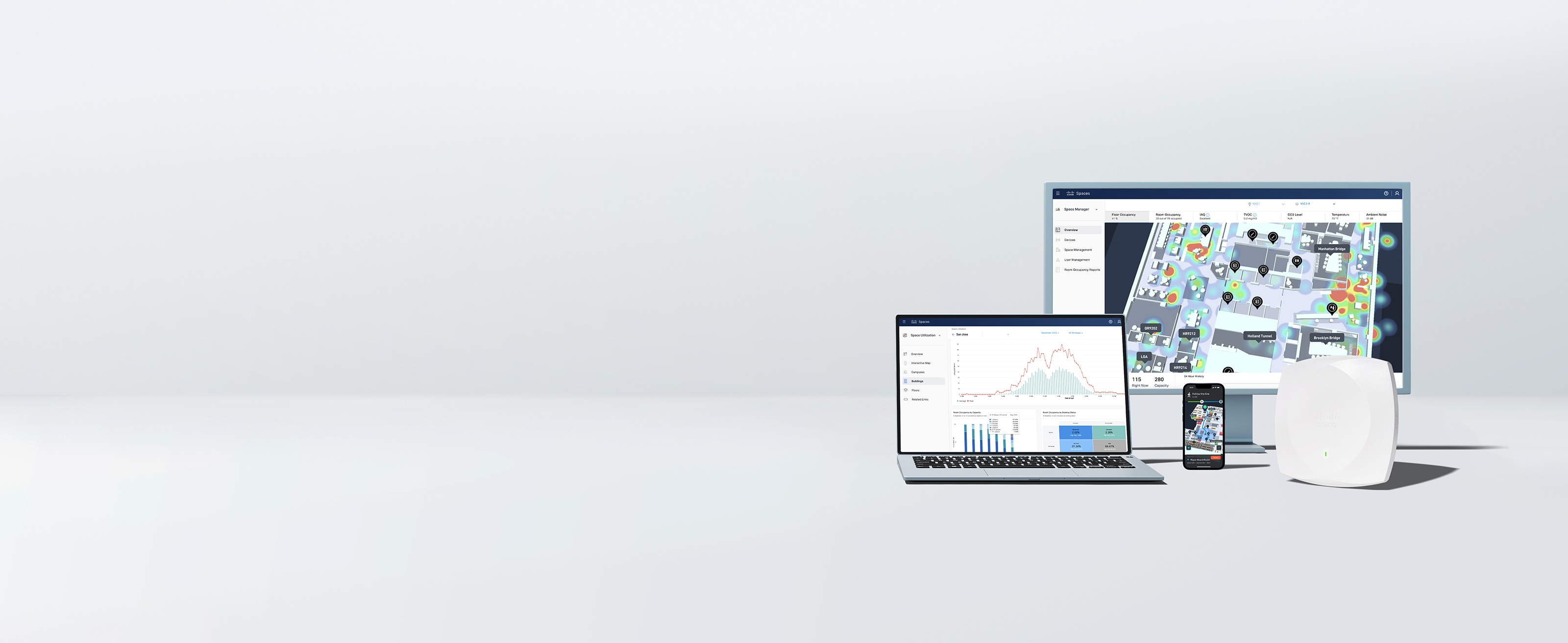 Guides
Cisco Meraki MR72 EoL: Migrating Outdoor Wi-Fi to the MR76
The Meraki MR72 passed Last Day of Support on April 30, 2024. Here's exactly what that means for your outdoor network and how to migrate cleanly to the Wi-Fi 6 Meraki MR76 without leaving the dashboard.
March 19, 2026 · 7 min readGuidesCisco Meraki MR53 EoL: Migrating to the Wi-Fi 6 MR56
The Meraki MR53 hits Last Day of Support on July 21, 2026, no patches, no TAC, no RMA. Here's why the Wi-Fi 6 MR56 is the right refresh and how to migrate cleanly before the deadline.
December 26, 2025 · 7 min read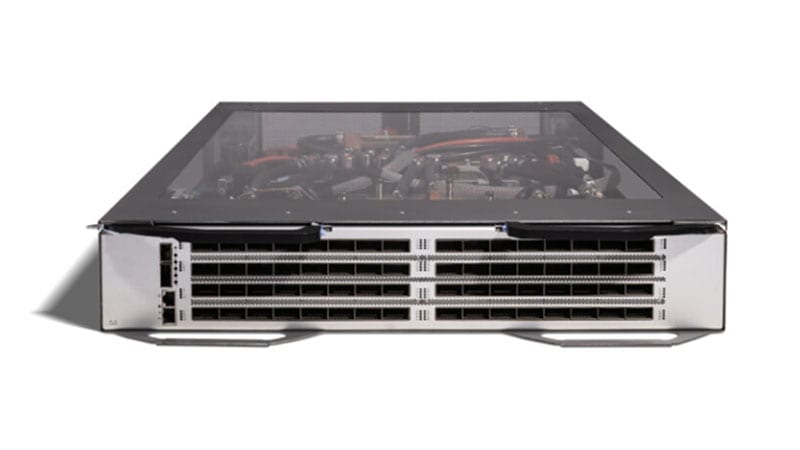 Guides
Cisco ACE Module EoL: Migrating Off ACE10-6500-K9
The ACE Application Control Engine Module (ACE10-6500-K9) passed Last Day of Support on January 31, 2019. Here is what that means, why it is now a compliance liability, and how to move data center application delivery onto the Catalyst 8500 edge platform and modern load-balancing tiers.
June 13, 2026 · 8 min read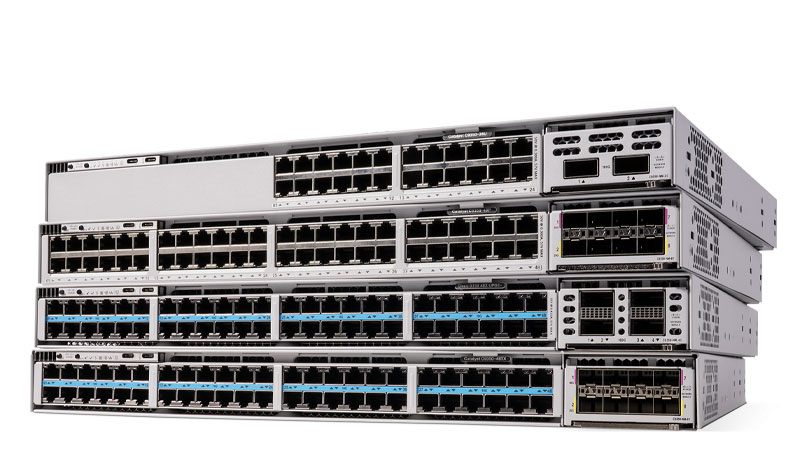 Guides
Cisco Meraki MS22 EoL: Migration to the MS130-24P
The Meraki MS22 passed Last Day of Support on April 30, 2021, no patches, no TAC, no RMA. Here is why it has to come out and how to migrate cleanly to the cloud-managed MS130-24P.
May 20, 2026 · 7 min read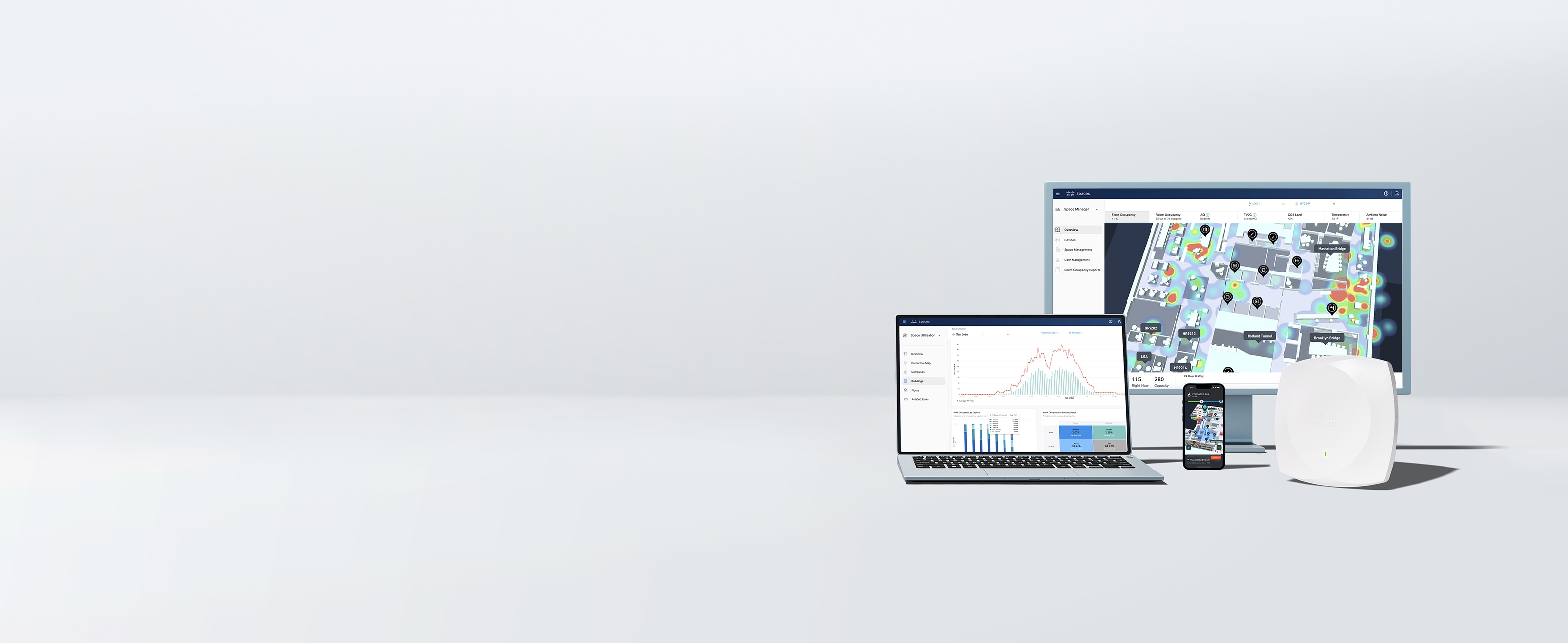 Guides
Meraki MR24 (MR24-HW) End of Life: Migrate to Catalyst CW9164I
The Meraki MR24 reached Last Day of Support in May 2021, which means no PSIRT patches, firmware, or TAC. Here is what the milestone dates mean and a practical plan to refresh to the Wi-Fi 6E Catalyst CW9164I (CW9164I-MR) under the same Meraki dashboard.
May 18, 2026 · 7 min read Guides
Cisco 7606-S EoL: Migrating to the Catalyst 8500 (C8500-12X)
The Cisco 7606-S (CISCO7606-S) passed Last Day of Support on July 31, 2021. Here is why the chassis must come out and how to migrate its WAN-edge roles cleanly to the IOS XE-based Catalyst 8500 (C8500-12X).
May 7, 2026 · 7 min read