802.1X / RADIUS authentication
A full RADIUS AAA server with EAP-TLS, TEAP, PEAP, and EAP chaining, plus MAB for devices that cannot run a supplicant.

Service provider
Data center & WAN
Security & operations
Cisco Identity Services Engine (ISE) is the network access control and identity policy engine that decides who and what gets on your network, then enforces zero-trust access across wired, wireless, VPN, and 5G. Uniqcli sizes the appliances or VMs, scopes the license tiers, and returns a TAA-compliant quote.
Access-point, port, and rack counts are derived from your facility, not guesswork or a generic template.
We confirm the exact SKUs, licensing tier and term, services, and availability before you sign.
TAA-compliant options, contract vehicle, and CLIN structure so the quote clears your buyer the first time.
Enough detail for IT, procurement, and facilities to move together, then we validate the final BOM.
A full RADIUS AAA server with EAP-TLS, TEAP, PEAP, and EAP chaining, plus MAB for devices that cannot run a supplicant.
AI/ML endpoint profiling fingerprints IoT, medical, and OT devices; posture checks verify patch level, antivirus, and encryption before access.
Security Group Tags define policy by role instead of IP address, propagating micro- and macro-segmentation to limit lateral movement.
Self-service guest and BYOD portals with certificate enrollment, plus TACACS+ command-level device administration and full audit.
ISE is where zero trust meets the wire. It authenticates every user and device, verifies posture, and enforces least-privilege access, sharing identity context with the rest of the security stack through pxGrid.
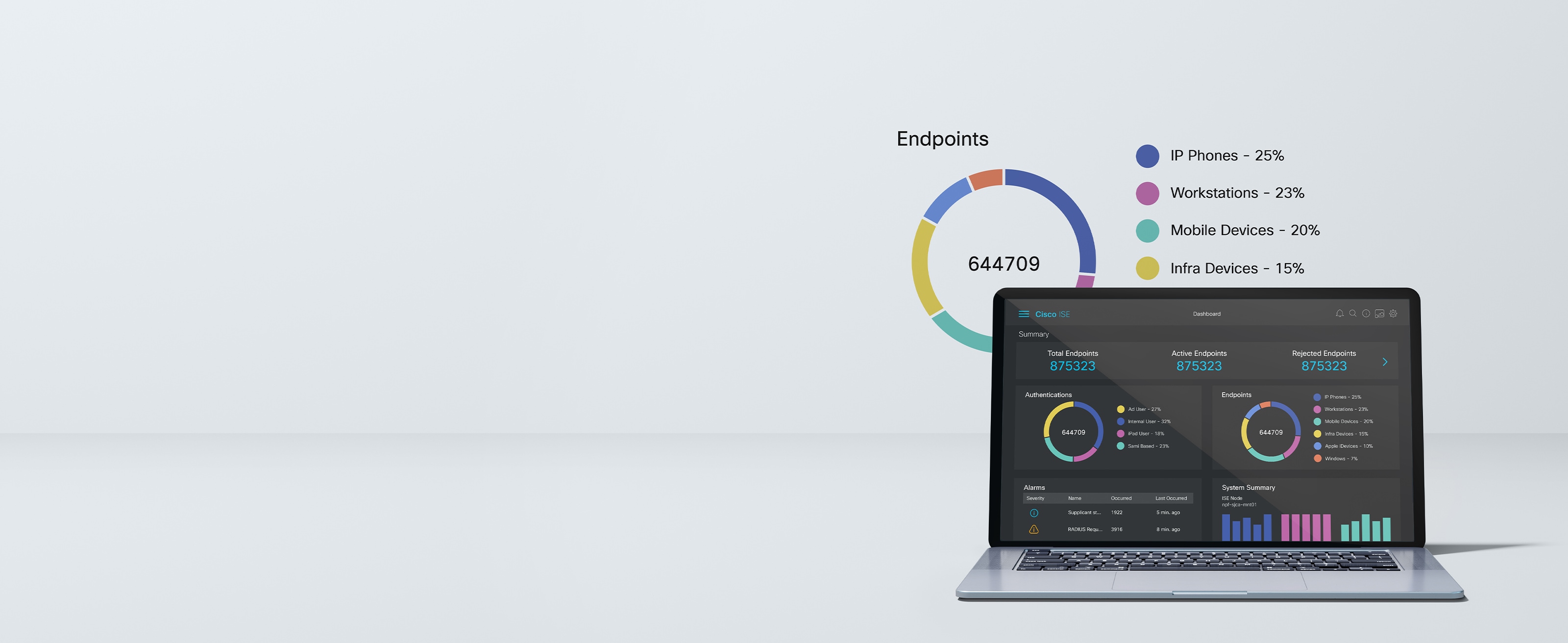
ISE is how Cisco delivers NAC: authenticate, profile, and authorize every endpoint before it reaches the network.
Learn more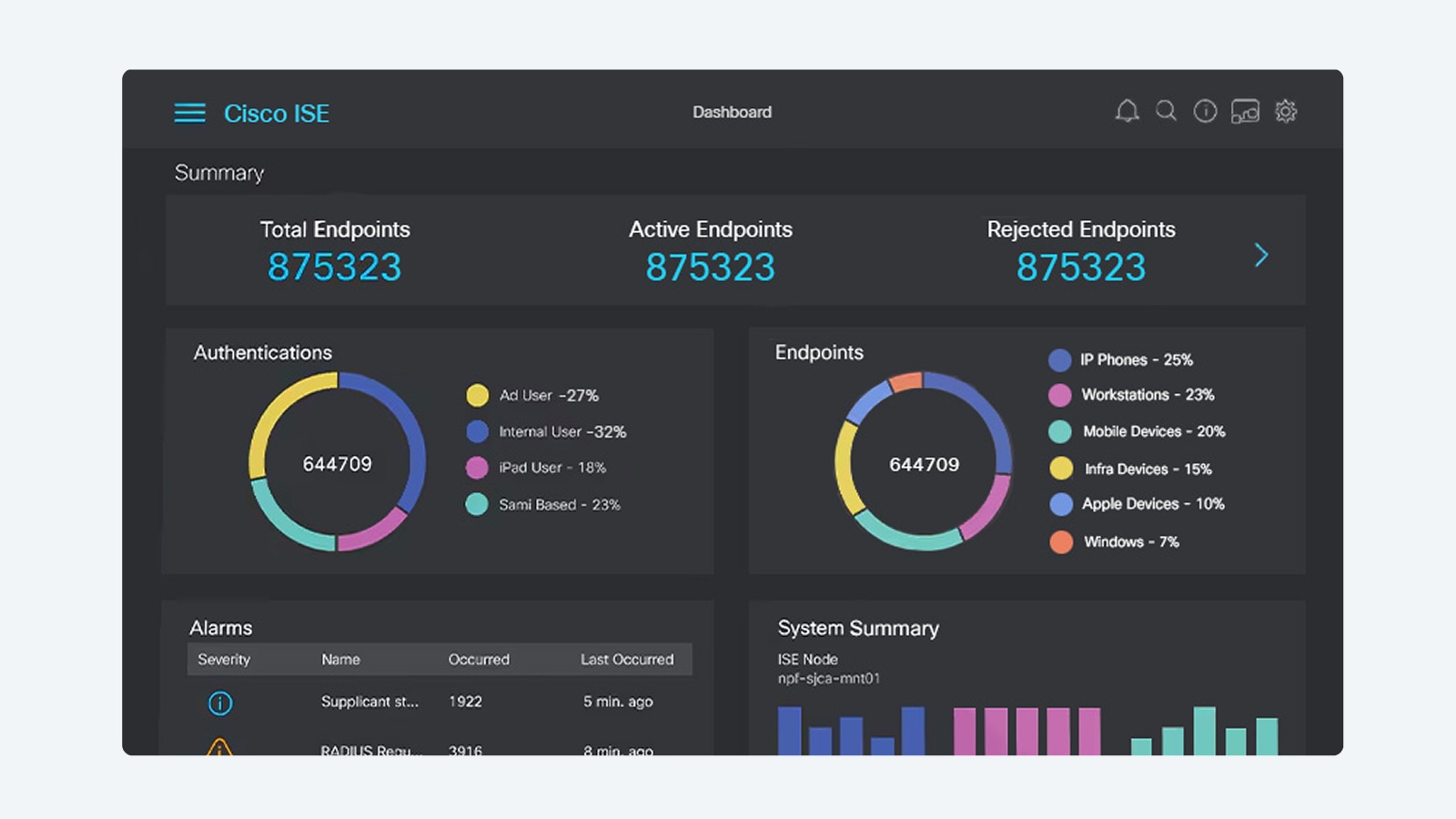
ISE and Identity Intelligence feed user and device context into Cisco XDR so incidents carry the identity behind the activity.
Learn more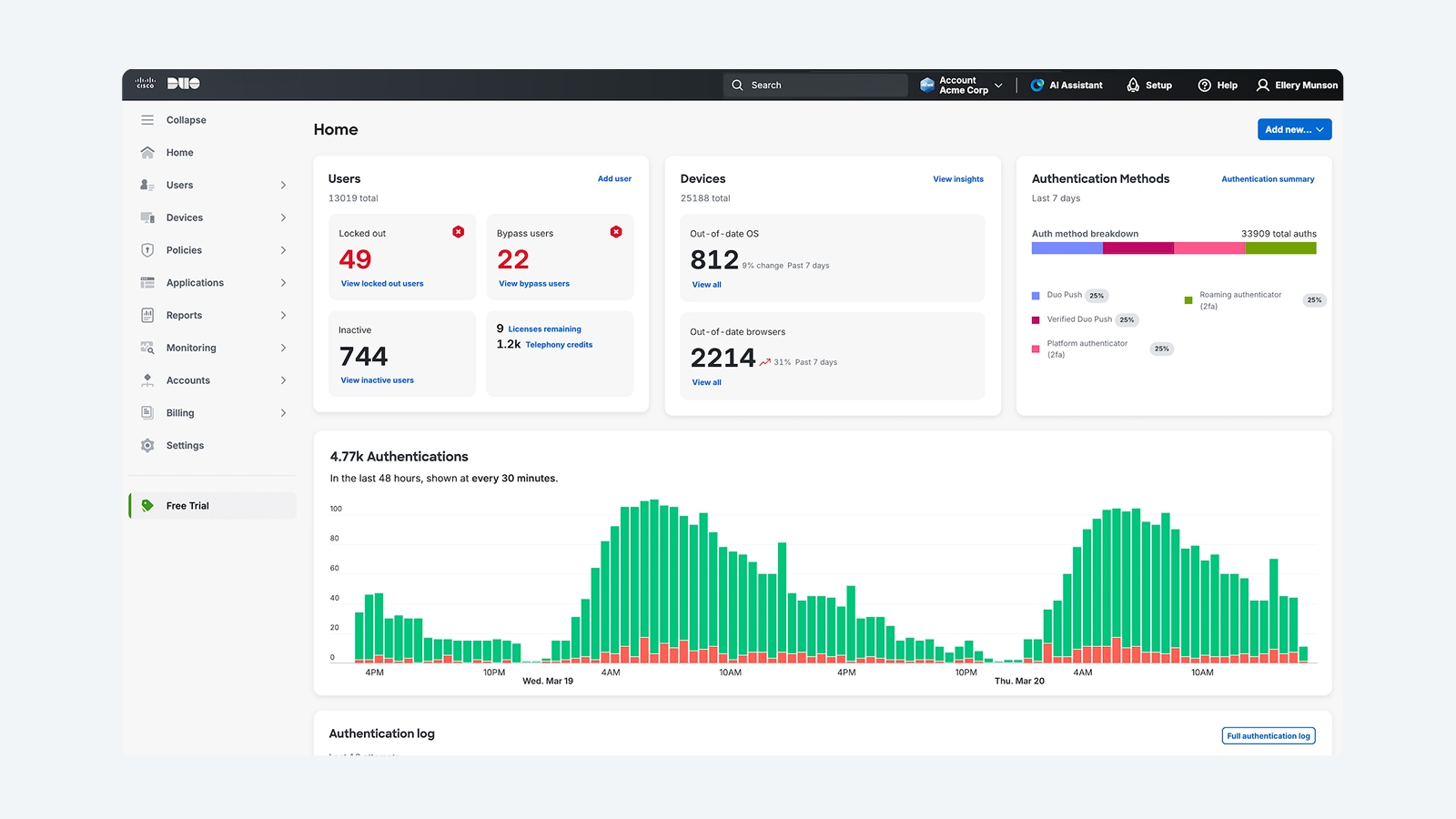
Pair ISE with Cisco Duo for phishing-resistant MFA and device trust across the access layer.
Learn more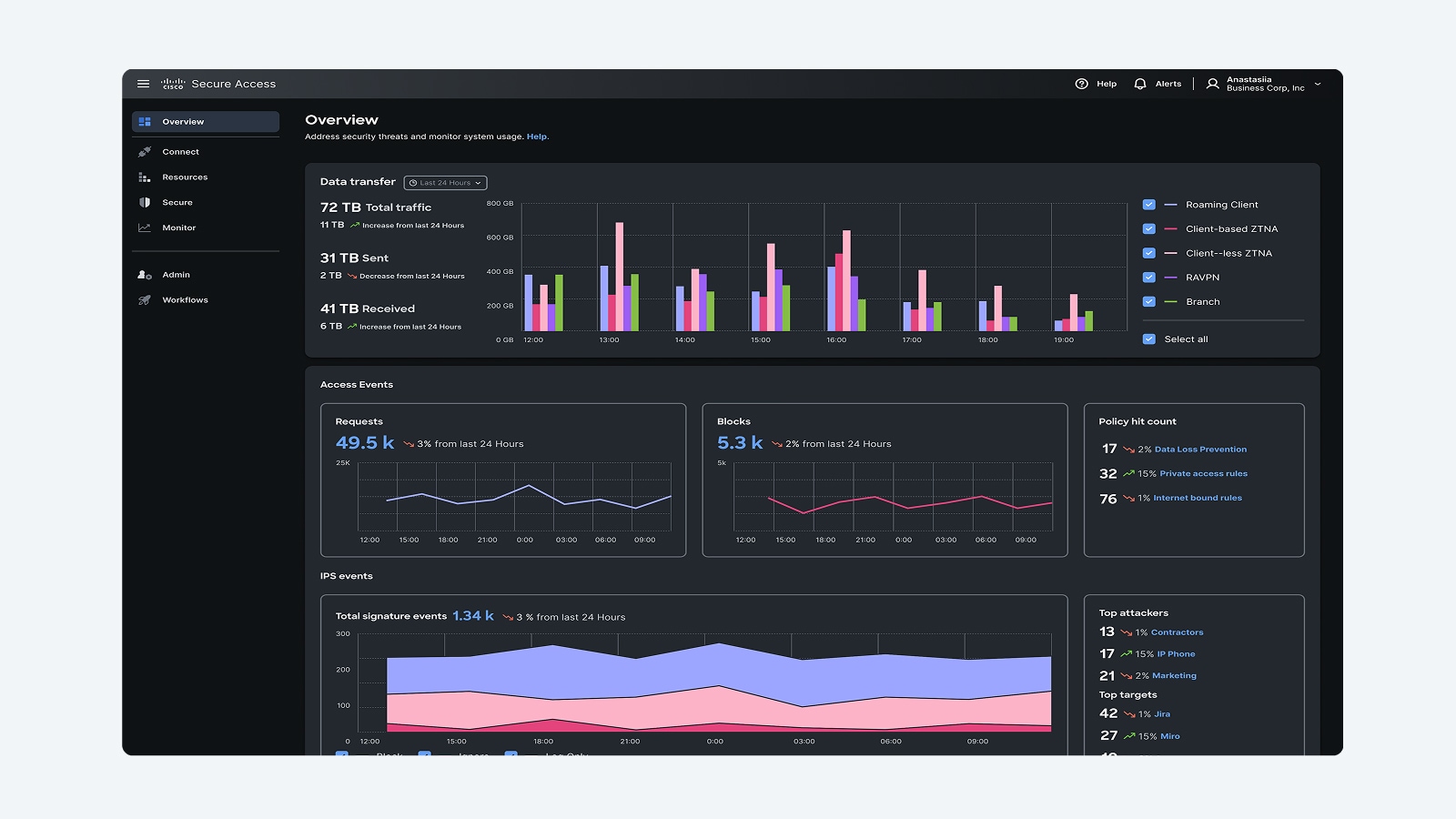
802.1X, MAB, and identity-based authorization across wired, wireless, VPN, and 5G, the foundation of zero-trust access.
Cloud-based Multi-Factor Classification machine learning fingerprints unknown IoT, medical, and OT devices by manufacturer, model, and OS.

ISE acts as the segmentation controller, propagating Security Group Tags across switches, routers, wireless, and firewalls.
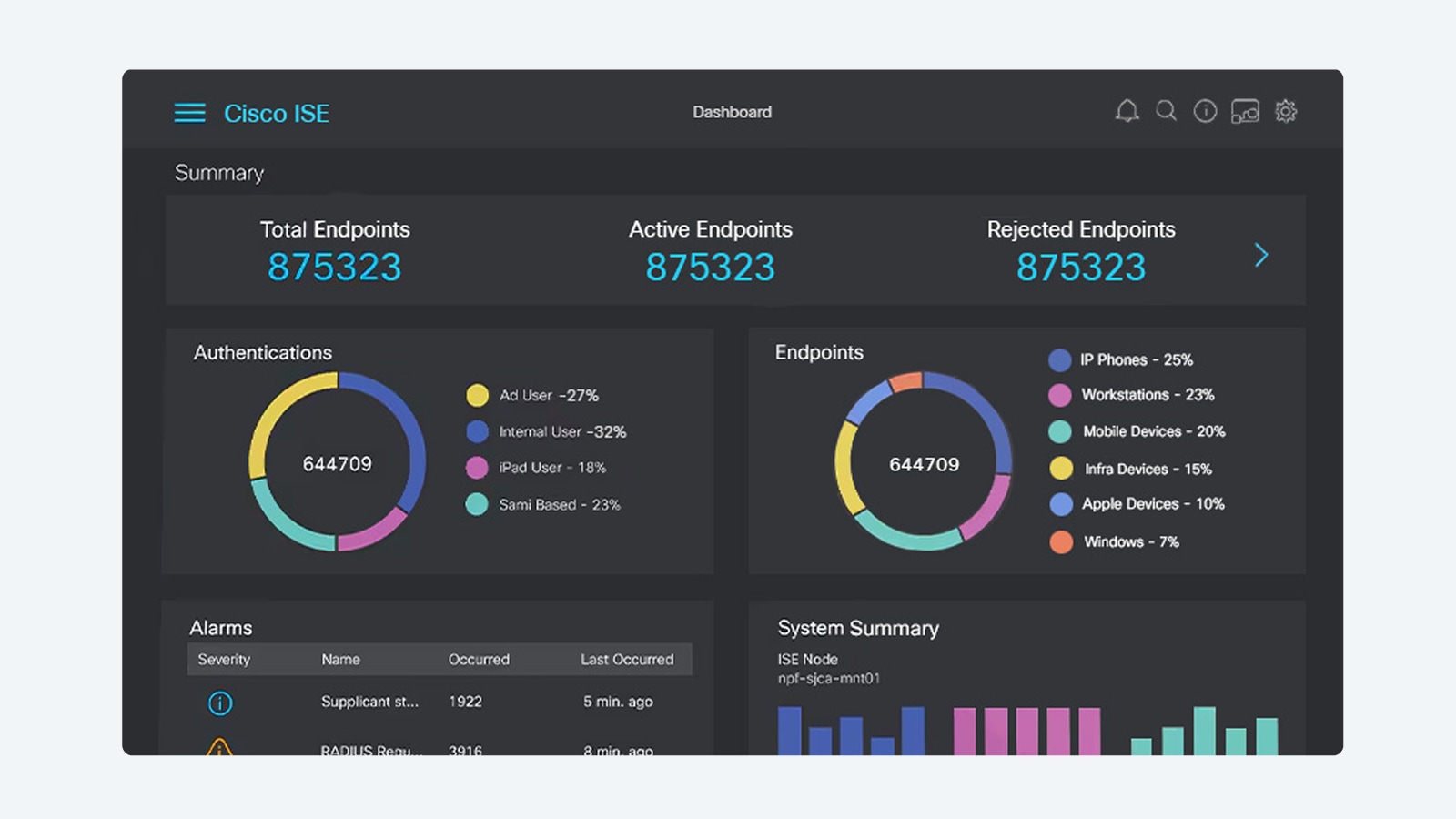
Branded hotspot, sponsored, and self-service portals with SAML 2.0 and automated supplicant provisioning cut help-desk tickets.
Rapid Threat Containment and Threat-Centric NAC quarantine or restrict compromised endpoints automatically by CVSS and threat score.
ISE drives group-based segmentation across Catalyst and Meraki infrastructure through Catalyst Center and pxGrid.
ISE uses an endpoint-count subscription model with three nested tiers. Each higher tier includes everything below it.
Core NAC and AAA
Segmentation, profiling, BYOD
Posture, MDM, Threat-Centric NAC
TACACS+ device administration
Perpetual, licensed per deployment, separate from the endpoint tiers.
A separate, perpetual Device Administration (TACACS+) license is required for network-device administration. Cisco does not publish flat list pricing; Uniqcli quotes the exact tier mix and endpoint counts.
All four authenticate users, but the depth of profiling, segmentation, and Cisco-fabric integration differs. See our alternatives guide in Resources for the full breakdown.
| Capability | Cisco ISE | Aruba ClearPass | FortiNAC | Microsoft NPS |
|---|---|---|---|---|
| 802.1X / RADIUS | Yes | Yes | Yes | Yes (basic) |
| Profiling and posture | Yes (AI/ML) | Yes | IoT-focused | No |
| Native SGT segmentation (TrustSec) | Yes | No | No | No |
| SD-Access / Catalyst Center | Native | No | No | No |
| Ecosystem (pxGrid) | 100+ integrations | Partner set | Fortinet fabric | Minimal |
| On-prem, VM, and cloud | Yes | Yes | Yes | Windows Server |
ClearPass, FortiNAC, and NPS are capable platforms. ISE tends to win in Cisco-heavy, segmentation-heavy, and federal stacks.
Architecture, readiness review, and right-sized BOMs from real facility inputs, not a generic template.
On-site survey for SCIF, multi-floor, outdoor, and datacenter risk before install, so the count holds at turn-up.
TAA-compliant sourcing options, contract vehicle, CLIN structure, and a procurement-ready package that clears review.
Pre-staging, golden configs, labeling, and validation in our lab before anything ships to the site.
Structured cabling, rack-and-stack, optics, and a low-risk cutover with full documentation and handoff.
Monitoring, firmware lifecycle, change windows, Smartnet, and quarterly health reviews after turn-up.
Simplified operations, powered by AgenticOps: automate, defend, and see the whole network end to end.
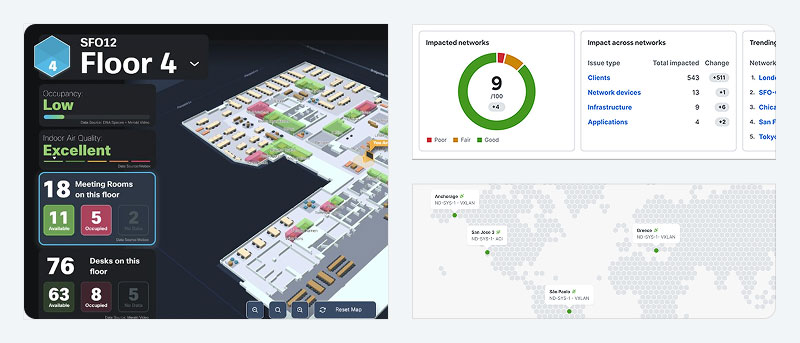
Software to automate, monitor, and secure your network, with cloud-managed dashboards and policy from a single pane.
Explore software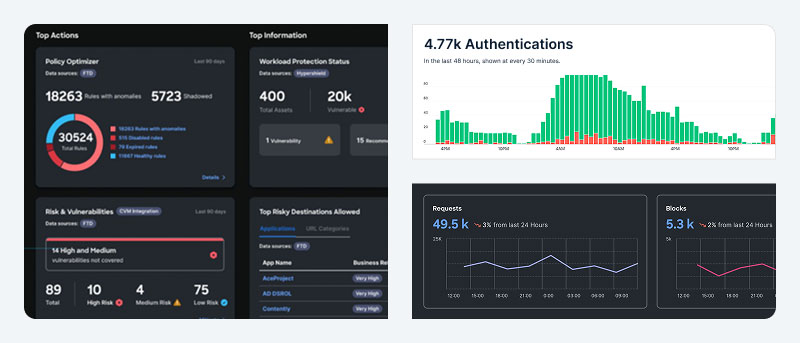
Comprehensive security to protect the network from evolving threats: firewall, identity, segmentation, and SASE.
Explore network security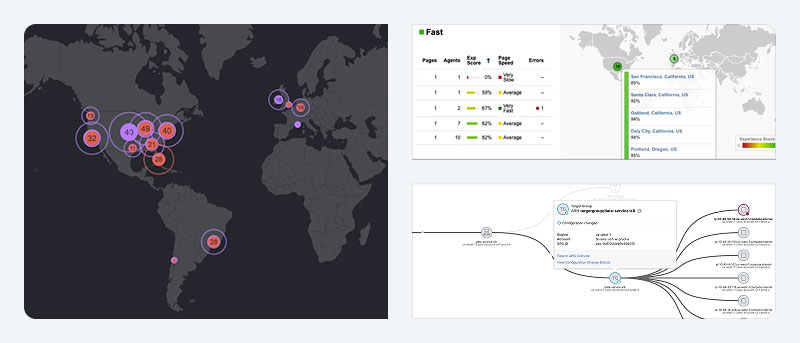
Assure every digital experience across owned and unowned networks, from client to cloud, with proactive insight.
Explore assuranceAverage inquiry to a validated Cisco BOM in the buyer's inbox.
First-pass estimate accuracy versus the validated post-survey BOM.
From approved purchase order to live, supported Cisco network.
Packaged as a Cisco services motion: assess, design, price, deploy, and operate with one validated quote path.
Confirm users, sites, compliance needs, support term, and the business reason for the refresh.
Map the right Catalyst, Nexus, controller, security, and licensing components to the scope.
Staging, cabling, cutover, validation, documentation, and managed handoff.
Generate a planning estimate, then we validate the final Cisco quote.
A deeper reference for teams scoping a Cisco Identity Services Engine deployment.
Cisco Identity Services Engine (ISE) is a centralized network access control and identity policy platform. It authenticates and authorizes every user and device before granting network access, then continuously enforces policy based on identity, posture, and context. It is the policy decision point for zero-trust access at the network layer.
ISE is a full RADIUS AAA server supporting PAP, MS-CHAP, PEAP, EAP-FAST, EAP-TLS, EAP-TTLS, and TEAP, with EAP chaining to validate machine and user in one session. It profiles every connected endpoint using predefined templates and a cloud-based Multi-Factor Classification engine, and checks posture (OS patch level, antivirus, disk encryption) before access.
ISE assigns Security Group Tags (SGTs) to users and devices and defines access policy by business role instead of IP address. As the segmentation controller, it propagates SGTs across switches, routers, wireless, and firewalls to limit lateral movement. TrustSec requires the Advantage tier or higher.
ISE runs on Cisco Secure Network Server (SNS) appliances, as a virtual appliance on VMware, KVM, Hyper-V, Nutanix AHV, and Red Hat OpenShift, and in public cloud on AWS, Azure, and OCI. Recent releases align with Common Criteria (NDcPP), pursue DoDIN APL listing, undergo FIPS 140 review, support USGv6/IPv6, and allow administrator CAC/smart-card login. ISE itself is not a FedRAMP-authorized cloud service, so cloud-hosted posture should be confirmed per release.
Common security · identity & access questions, answered by the Uniqcli Team.
Cisco ISE is a Network Access Control (NAC) and identity policy engine that authenticates and authorizes users and devices before they connect, then enforces zero-trust access policy across wired, wireless, VPN, and 5G networks. It also handles guest access, BYOD onboarding, endpoint profiling, posture compliance, TrustSec segmentation, and TACACS+ device administration. Uniqcli, an authorized Cisco partner, can scope the right design for your environment.
ISE uses an endpoint-count-based subscription model with three tiers: Essentials (core 802.1X/AAA), Advantage (segmentation, profiling, BYOD, TrustSec, ecosystem integration), and Premier (MDM posture and Threat-Centric NAC). These replaced the older Base, Plus, and Apex licenses, and each higher tier includes everything in the tiers below it. A separate, perpetual Device Administration license is required for TACACS+ device admin. Uniqcli can quote the exact tier mix and endpoint counts you need.
No. The Essentials, Advantage, and Premier tier licenses are subscriptions tied to active endpoint counts, while the Device Administration license used for TACACS+ network-device management is licensed separately and perpetually. You enable it on Policy Service nodes that run the TACACS+ persona. Uniqcli can confirm how many device-admin licenses your deployment requires.
All three. ISE runs on the Cisco Secure Network Server (SNS) physical appliances, as a virtual appliance on VMware, KVM, Hyper-V, Nutanix AHV, and Red Hat OpenShift, and as a cloud workload on AWS, Azure, OCI, and VMware Cloud. Physical and virtual nodes can be mixed into clusters for scale and redundancy. Uniqcli can size and source the right SNS appliances or VM footprint.
Cisco offers small, mid-size, and large Secure Network Server models that differ by concurrent active-endpoint capacity and redundancy (disks and power supplies). The right model depends on your active endpoint scale, the number of Policy Service nodes, and redundancy requirements. Uniqcli can recommend a model and source TAA-compliant units for public-sector buyers.
TrustSec is Cisco's software-defined segmentation technology in which ISE assigns Security Group Tags (SGTs) to users and devices and defines access policy based on business roles rather than IP addresses. ISE acts as the segmentation controller, propagating SGTs across switches, routers, wireless, and firewalls via inline tagging or SXP. This reduces operational complexity and limits lateral movement of threats. The Advantage tier or higher is required for TrustSec.
In a zero-trust model ISE is the policy decision point for the workplace (network access). It gathers context from across the stack to authenticate users and endpoints, verify device posture, and enforce least-privilege access, automatically containing threats by changing or revoking access. It complements application-level ZTNA solutions like Cisco Secure Access and Duo rather than replacing them. This aligns with the network and device pillars of the CISA Zero Trust Maturity Model.
ISE integrates with Cisco Catalyst Center/SD-Access, Catalyst and Meraki infrastructure, Duo, Cisco Secure Client, and the broader Cisco XDR/Secure ecosystem, plus 100+ third-party integrations via pxGrid. It connects to Active Directory and Microsoft Entra ID, MDM platforms like Intune and Jamf, ServiceNow for asset context, and Tenable for vulnerability-driven Threat-Centric NAC. Uniqcli can help plan integrations into your existing stack.
ISE licensing is subscription-based by active endpoint count across the Essentials, Advantage, and Premier tiers, plus a perpetual Device Admin license for TACACS+, managed through Cisco Smart Licensing. Hardware (SNS appliances) is purchased separately. As an authorized Cisco partner, Uniqcli scopes the deployment, sizes endpoint counts, and provides a formal quote, with GPC-payable, TAA-compliant options for government buyers.
Yes. ISE is widely deployed across US federal, state, local, and education networks as the enforcement point for network-level zero trust, and recent releases align with Common Criteria (NDcPP), pursue DoDIN APL listing, undergo FIPS 140 review, support IPv6/USGv6, and allow administrator CAC/smart-card login. Note that ISE itself is not a FedRAMP-authorized cloud service, so cloud-hosted posture should be confirmed per release. Uniqcli sources TAA-compliant SNS appliances and licensing via GPC, SAP, and FAR-based purchase orders.
Your cart is empty
Browse current Cisco hardware, licenses, and optics, priced below market.
Browse the catalog