
Cisco Meraki MR52 EoL: Migration Guide to the MR46
The Meraki MR52 hits Last Day of Support on July 21, 2026. Here is what each milestone means, why the Wi-Fi 6 MR46 is its concrete successor, and a practical, audit-ready migration plan for federal, healthcare, and enterprise fleets.
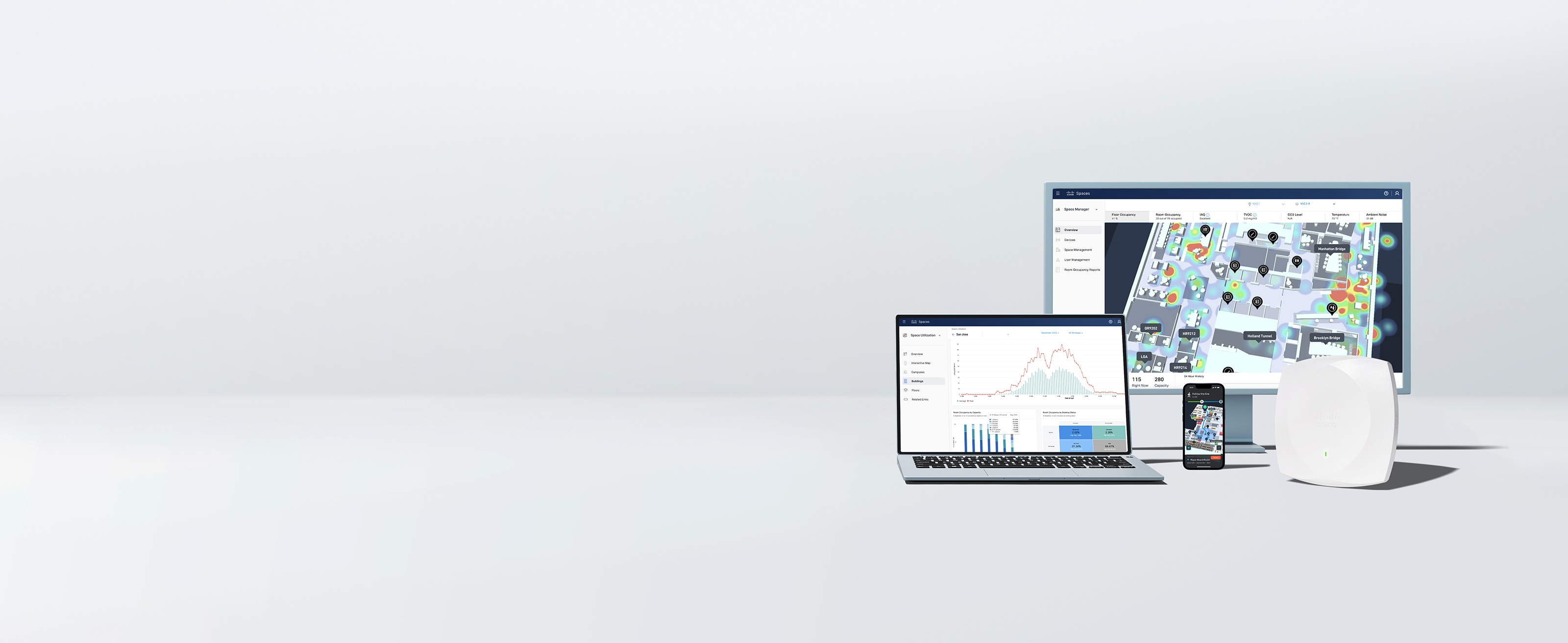
If your wireless edge still runs Cisco Meraki MR52 access points, you are operating on a clock that ends July 21, 2026. That is the Last Day of Support (LDoS) for the MR52-HW, the date after which Cisco no longer ships firmware, no longer issues PSIRT security fixes, and no longer provides TAC troubleshooting or RMA replacement for the platform. The MR52 was a strong access point in its day, a 4x4:4 802.11ac Wave 2 high-density radio built for auditoriums, lecture halls, and packed open offices, but Wave 2 is two Wi-Fi generations behind the client devices now hitting your network, and the support window is closing. This guide lays out exactly what each milestone means, why the Wi-Fi 6 Meraki MR46 is the concrete successor, and how to run the migration without surprises.
The EoL situation for the MR52, and why it is urgent now
End of Sale for the MR52 was April 7, 2022, so the part has been unorderable from Cisco for years. Anything you have is already in service or sitting as a spare. The milestone that actually drives action is LDoS on July 21, 2026. Meraki access points do not have a separate published end-of-software-maintenance date the way Catalyst IOS-XE trains do, firmware is delivered centrally from the Dashboard cloud, so for the MR52 the support story collapses into one hard line. Before LDoS the AP gets firmware and security updates over the air. After it, the model is frozen.
That freeze is the risk. A Meraki AP that no longer receives firmware no longer receives security patches, which means any vulnerability disclosed against the Wave 2 platform after July 2026 stays open on your network indefinitely. For regulated buyers that is not an abstract worry, it is a direct finding. Supported-software and patch-currency controls run through FedRAMP, CMMC, HIPAA Security Rule safeguards, and PCI DSS, and an unsupported AP carrying clinical, cardholder, or controlled-unclassified traffic is exactly what an assessor flags. You also lose the operational safety net: no TAC case when an AP misbehaves, and no advance RMA when one fails. In a hospital wing or a SCIF-adjacent space, an AP that dies with no warranty path is an unplanned outage, not a ticket.
The recommended replacement: Meraki MR46 (Wi-Fi 6)
Cisco maps the MR52 to the Meraki MR46-HW, and the pairing is deliberate. The MR46 keeps the same 4x4:4 dual-radio architecture and the same physical envelope, so it mounts on the existing ceiling bracket and reuses the same cable drop in most deployments. What changes underneath is the generation. The MR52 is 802.11ac Wave 2 (Wi-Fi 5). The MR46 is 802.11ax, Wi-Fi 6, and on a dense network the difference is not marketing.
What Wi-Fi 6 concretely buys you over Wave 2
- OFDMA: the MR46 subdivides each channel so multiple clients are served in a single transmission, instead of the Wave 2 one-at-a-time scheduling the MR52 used. In high-density rooms, the exact scenario the MR52 was bought for, this is where the real airtime efficiency gain shows up.
- Uplink and downlink MU-MIMO: the MR52 did MU-MIMO downstream only; the MR46 handles it in both directions, which matters as more clients send heavy upstream (video calls, telemetry, imaging).
- Higher aggregate throughput: the MR46's 4x4:4 802.11ax radios push a higher rated PHY rate and, more importantly, far better real-world goodput under contention because of OFDMA and BSS coloring (spatial reuse that cuts co-channel interference between dense cells).
- A dedicated third radio: the MR46 carries a separate scanning/security radio for always-on WIDS/WIPS and RF analysis without stealing airtime from clients, plus an integrated Bluetooth Low Energy radio for IoT and Meraki location/Spaces use cases the MR52 could not match.
- mGig uplink retained: like the MR52, the MR46 has a 2.5GBASE-T (mGig) port, so it will not bottleneck on a 1 Gbps cap when fed from an mGig PoE+ switch, over existing Cat5e/Cat6.
Management does not change, which is the quiet advantage of staying on Meraki. Both APs live in the same cloud Dashboard, so there is no controller to stand up, no migration to a different management plane, and no relearning of policy. You claim the new serial, apply the same SSIDs, group policies, and RF profiles by network or configuration template, and the MR46 inherits your existing posture. If you are weighing whether to jump further to Wi-Fi 6E or Wi-Fi 7 instead, that is a legitimate question for new high-density builds, but the MR46 is the like-for-like, budget-rational replacement that keeps your fleet on a single, current generation.
A practical migration plan
1. Assess and inventory
Pull every MR52 serial from the Dashboard and reconcile it against your asset register and license renewal date. Note which APs sit in high-density spaces (where the OFDMA gain pays off first) and which carry regulated traffic (where the compliance clock is hardest). Capture the per-AP switch port, PoE class, and uplink speed now, that data drives the closet work below. Our running Meraki MR52 EoL detail page keeps the milestone dates and the MR46 mapping in one place for the record.
2. License transition
No license is bonded to the MR52 chassis, but every AP in Dashboard consumes one MR license for its term. Plan to claim each MR46 serial into the same organization and consume a license against it, co-terming new licenses to your existing renewal so you are not managing split dates. Confirm whether your org runs co-termination or per-device licensing and size the count and term into the BOM up front, discovering a license shortfall mid-cutover stalls the whole rollout.
3. Config and feature parity
Because both APs are Meraki, parity is mostly automatic. Bind the MR46s to the same network or template so SSIDs, group policies, traffic shaping, and RF profiles apply on adoption. Re-validate two things that are generation-specific: RF profiles tuned for Wave 2 channel widths should be revisited for Wi-Fi 6 (OFDMA, BSS color, target wake time), and any WIDS/WIPS settings should be moved onto the MR46's dedicated security radio so scanning no longer competes with client airtime.
4. Physical: power, uplinks, and the closet
This is where AP refreshes get expensive, and it is the step most teams underestimate. The MR46, like the MR52, wants 802.3at PoE+ to run all radios at full power, and it has a 2.5 Gbps mGig uplink. If your access switches already deliver mGig PoE+, a Catalyst 9300 with mGig line cards, or a Meraki MS390/MS355, the swap is genuinely drop-in over the existing Cat5e/Cat6. If your closet only offers 1 Gbps PoE+ ports, the MR46 still runs, but you cap its Wi-Fi 6 ceiling; budget mGig uplinks where the density justifies it. Verify your PoE power budget across the panel before you order, because a fully loaded panel of mGig PoE+ APs can outrun an older switch's total PoE wattage.
5. Phased cutover
Do not flash-cut the whole campus. Pilot a representative high-density area first, claim and provision the MR46s in Dashboard before you touch the ceiling, then physically swap AP-for-AP onto the existing brackets during a maintenance window. Because the new APs are pre-configured in the cloud, they pull policy on boot and you validate coverage with a quick post-swap survey. Roll outward floor by floor, keeping the displaced MR52s as temporary spares only until their zone is cut over, not as long-term production.
6. Secure decommission
Once an MR52 is out of production, remove its serial from the Dashboard network so it stops consuming a license and disappears from your active inventory. For federal and DoD environments, follow your media-sanitization and property-disposal process for the removed hardware; document the decommission against the asset register so the audit trail shows the unsupported model is fully retired, not merely unplugged.
Procurement notes for regulated buyers
Because the MR52 is past End of Sale, your supply path is the MR46 (or a newer Wi-Fi 6E/7 Meraki model if you are upgrading the generation). For federal, DoD, and SLED buyers, confirm Trade Agreements Act (TAA) compliance on the specific SKUs and capture the documentation for the contract file; align purchases to GPC thresholds and your vehicle of record. Wireless lead times move with demand, so place orders against the July 2026 LDoS with margin, ordering in the quarter before LDoS, not the week of, is the difference between a planned refresh and a scramble. As an authorized Cisco partner, uniqcli sources genuine, TAA-compliant Meraki hardware with the licensing and support attached. Browse current Meraki access points in our catalog, review the full list of affected models on our Cisco End-of-Life hub, and when you are ready to size the swap, get a quote with your MR52 serial list and we will return a matched MR46 BOM with licensing, mGig PoE+ guidance, and lead times.
Frequently asked questions
When does the Cisco Meraki MR52 actually stop working?
It does not stop working on any date, an MR52 will keep serving clients as long as the hardware is healthy and your Dashboard organization stays licensed. What changes is support. End of Sale was April 7, 2022, so you can no longer buy one new from Cisco. The hard line is Last Day of Support (LDoS) on July 21, 2026. After that, Cisco issues no further firmware, no PSIRT security fixes, and no TAC or RMA service for the MR52. The radios keep transmitting; the safety net is gone.
Is the MR46 a true one-for-one replacement for the MR52?
Yes, in form factor and mounting. Both are 4x4:4 dual-radio indoor APs that share Meraki's standard ceiling-mount bracket and t-bar clips, so in most deployments the MR46 drops onto the existing MR52 mount and reuses the same cable drop. The difference is the radio generation: the MR52 is 802.11ac Wave 2 (Wi-Fi 5), the MR46 is 802.11ax (Wi-Fi 6) with OFDMA, MU-MIMO in both directions, BSS coloring, and a dedicated third scanning/security radio plus a Bluetooth/IoT radio. Same footprint, materially better airtime efficiency and client capacity.
What power and switching do I need for the MR46 versus the MR52?
The MR52 needed 802.3at (PoE+) to run all radios at full power and used a 2.5 Gbps mGig uplink. The MR46 also runs best on 802.3at PoE+ and ships with a 2.5GBASE-T (mGig) port, so a switch with mGig PoE+ ports, for example a Catalyst 9300 with mGig or a Meraki MS390/MS355, feeds it cleanly over existing Cat5e/Cat6. If your closet only has 1 Gbps PoE+ access ports, the MR46 still works at 1 Gbps but you cap its 5 GHz aggregate; budget mGig uplinks if you want the full Wi-Fi 6 benefit.
Do my existing Meraki licenses carry over to the MR46?
No license is tied to the MR52 hardware itself, but each AP in Dashboard consumes one Meraki MR license for its term. When you swap an MR52 for an MR46 you claim the new serial into the same organization/network, apply policy by network or template, and consume a license against the MR46. Under per-device licensing you co-term the new MR46 licenses to your existing renewal date; if your org is on Meraki's subscription (co-termination or per-device) model, plan the license count and term as part of the BOM rather than assuming the old entitlement migrates.
Why not just keep running the MR52 past July 2026 to save budget?
Because after LDoS the MR52 receives no security firmware. Any new vulnerability disclosed against the Wave 2 platform stays unpatched, which fails the configuration-management and supported-software controls auditors check under FedRAMP, CMMC, HIPAA, and PCI DSS. You also lose TAC and advance RMA, so a dead AP in a clinical or classified space becomes an unscheduled outage with no warranty path. The hardware savings are real for a few months; the compliance and operational exposure compounds for years.
Uniqcli Team
The Uniqcli Team is an authorized Cisco partner specializing in Catalyst wireless, switching, datacenter fabric, licensing, and managed services for U.S. federal, state, local, and education customers. We scope Cisco bills of materials, validate procurement paths (TAA, FIPS, contract vehicles), and deliver design, deployment, and managed operations.
Ready to scope your Cisco build?
Build a quoteRelated reading
View all → Guides
Meraki MR24 (MR24-HW) End of Life: Migrate to Catalyst CW9164I
The Meraki MR24 reached Last Day of Support in May 2021, which means no PSIRT patches, firmware, or TAC. Here is what the milestone dates mean and a practical plan to refresh to the Wi-Fi 6E Catalyst CW9164I (CW9164I-MR) under the same Meraki dashboard.
May 18, 2026 · 7 min readGuidesCisco Meraki MR26 EoL: Migrate to Catalyst CW9164I
The Meraki MR26 passed Last Day of Support on May 9, 2023, it gets no PSIRT fixes, no firmware, and no RMA. Here is what that means for an 802.11n fleet still in your ceilings and how to refresh cleanly to the Wi-Fi 6E Catalyst CW9164I on the Meraki dashboard.
March 30, 2026 · 9 min readGuidesCisco Meraki MR34 (MR34-HW) EoL: Migration to the MR44
The Meraki MR34 hit Last Day of Support in October 2023 and now runs unpatchable firmware. Here is what the milestones mean, how the Wi-Fi 6 MR44 improves on it, and how to migrate cleanly in a regulated environment.
March 24, 2026 · 9 min readGuidesCisco Meraki MR42 EoL: Migration Guide to the Wi-Fi 6 MR44
The MR42 hits Last Day of Support on July 21, 2026. Here is a practical, partner-tested plan to refresh to the Wi-Fi 6 Meraki MR44, what actually improves, and how to migrate without downtime or compliance gaps.
December 23, 2025 · 7 min readGuidesMeraki MR12 End-of-Life: Migrate to Catalyst CW9164I
The Meraki MR12 reached Last Day of Support on October 24, 2022, no firmware, no PSIRT fixes, no RMA. Here is a practical, partner-built plan to refresh single-radio 802.11n coverage onto the Wi-Fi 6E Catalyst CW9164I without re-architecting your dashboard.
April 6, 2026 · 8 min readGuidesCisco Meraki MR72 EoL: Migrating Outdoor Wi-Fi to the MR76
The Meraki MR72 passed Last Day of Support on April 30, 2024. Here's exactly what that means for your outdoor network and how to migrate cleanly to the Wi-Fi 6 Meraki MR76 without leaving the dashboard.
March 19, 2026 · 7 min read