
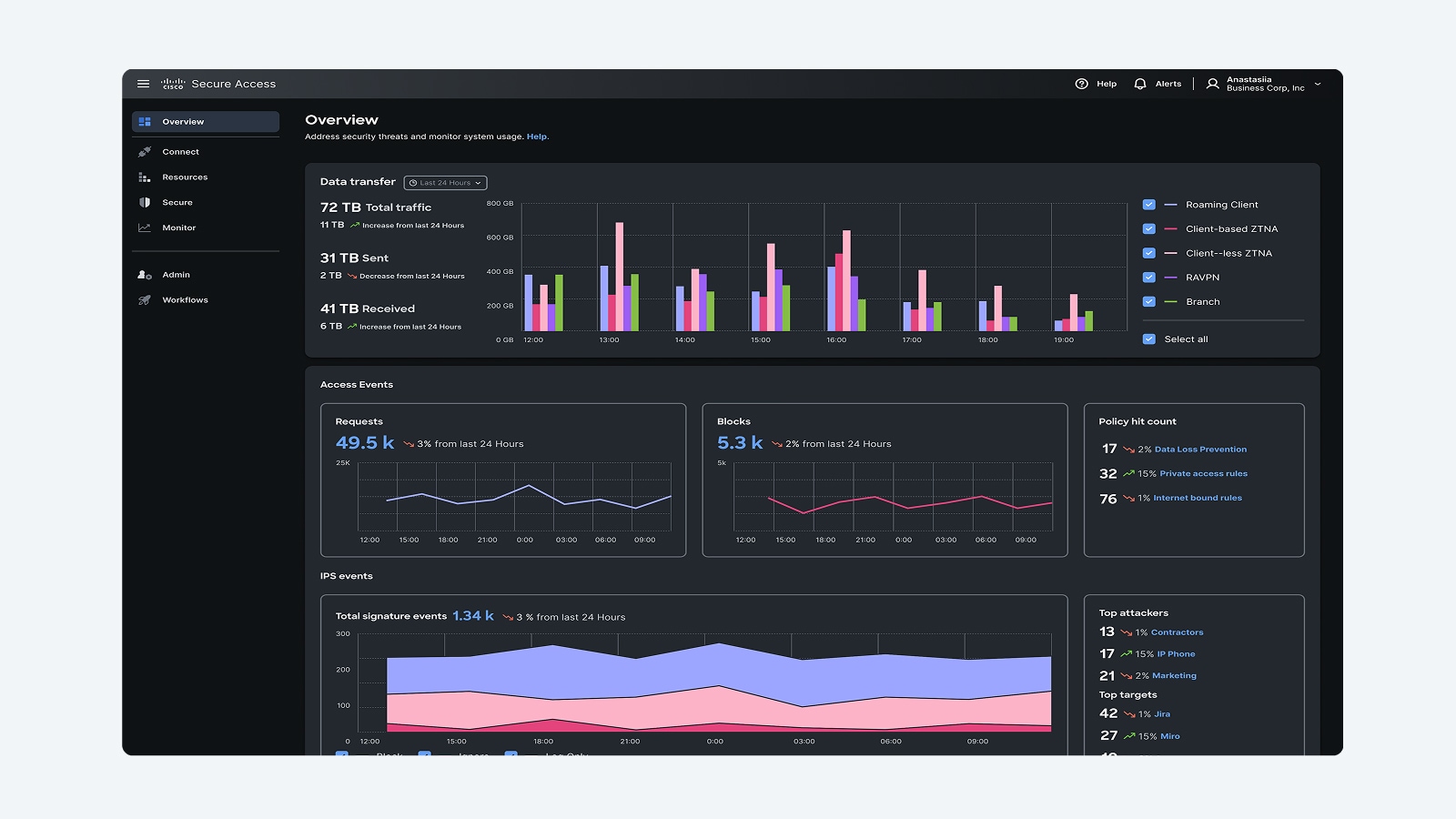
Cisco XDR vs Splunk sounds like a competitive comparison, and it is not really one. Cisco XDR is telemetry-centric extended detection and response: it correlates endpoint, network, firewall, email, identity, and DNS signal into prioritized incidents in minutes. Splunk Enterprise Security is a log-centric SIEM: it ingests, retains, and searches security and IT data at scale, built for compliance reporting, long-term retention, and the kind of open-ended investigation an auditor or threat hunter needs. They solve different problems, and as of 2024 they are also both Cisco products, which changes the practical calculus more than most comparisons of this shape ever do.
Short version: XDR is not trying to replace a SIEM, and Splunk was never built to be a fast, prioritized detection and response workflow out of the box. Most mature security programs end up running both, with XDR as the analyst's day-to-day queue and Splunk underneath it as the long-term record. What follows is where each one is actually strong, and what changes now that they share a parent company.
At a glance
Different layers, different jobs. Here is the structural comparison.
| Dimension | Cisco XDR | Splunk |
|---|---|---|
| Architecture | Telemetry-centric correlation engine across endpoint, network, firewall, email, identity, and DNS | Log-centric data platform; Splunk Enterprise Security layers SIEM correlation on top of Splunk's indexing and search engine |
| Deployment | Cloud-native SaaS with prebuilt detections and guided response playbooks, minutes-to-value | Cloud or self-managed; flexible, but requires data onboarding, correlation-search tuning, and dashboard build-out |
| Identity & integration | Natively correlates identity (ISE, Duo) with endpoint, network, and DNS signal in one incident view | Ingests virtually any machine data via forwarders and APIs, including identity logs; correlation logic is largely custom-built |
| Licensing model | Tiered subscription by user count, retention window, and ingestion volume | Typically priced by ingest volume (GB per day) or workload |
| Ecosystem | Part of Cisco Security Cloud; ingests Splunk as a first-party data source | Now a Cisco product line; positioned as the long-term SIEM and observability layer beneath XDR |
| Ops overhead | Low-maintenance, prebuilt correlation content, small teams can run it day one | Higher initial engineering investment to build content, but unmatched retention and audit depth once tuned |
What a SIEM is actually optimized for
Splunk's job is to be the system of record. It ingests security telemetry alongside IT operations, application, and infrastructure data most EDR or XDR tools never touch, retains it for as long as compliance or forensic need requires, and lets analysts write custom correlation searches in SPL against years of history. That breadth is exactly what a PCI, HIPAA, or FedRAMP audit trail requires, and it is why security teams that already run Splunk are usually reluctant to give it up: nothing else in their stack replaces its role as the long-term, queryable record of everything that happened.
What XDR is actually optimized for
Cisco XDR is not trying to be that record. It is built to answer a narrower, more urgent question fast: is this sequence of events across endpoint, network, firewall, email, identity, and DNS one real attack, how bad is it, and what should an analyst do right now. Every incident gets a priority score from 1 to 1000 combining a MITRE ATT&CK-based risk score with an asset value you assign, and Instant Attack Verification uses agentic AI to confirm whether an alert is a genuine attack and assemble the storyboard automatically, included in every tier. That is a fundamentally different design goal than a SIEM's open-ended search-and-retain model, and it is why XDR routinely delivers a prioritized incident in minutes where a SIEM-only workflow, waiting on hand-built correlation rules, measures the same outcome in days.
The Cisco-Splunk relationship: one vendor, two layers
This is the part of the comparison that is easy to miss if you last looked at these two products before 2024. Cisco completed its acquisition of Splunk, and Splunk now operates as part of the Cisco portfolio rather than as a third-party vendor Cisco happens to integrate with. In practical terms, that means the XDR-Splunk relationship is a maintained, first-party engineering priority instead of an arm's-length API partnership that can drift out of sync as each vendor ships independently. Cisco XDR ingests Splunk Cloud and Splunk Enterprise as a native data source, feeding SIEM-held telemetry into XDR's correlation and prioritization layer, while Splunk keeps its own identity, roadmap, and license model as a distinct product line within Cisco. Neither platform absorbs the other; they are positioned as complementary layers under common ownership, which is a materially different story than "XDR vs. SIEM" comparisons written before the acquisition.
Cost and operational model differences
The two are priced on genuinely different models, so a side-by-side dollar comparison is close to meaningless without a real environment behind it. Cisco XDR is scoped by user count, data retention window, and ingestion volume, while Splunk is typically priced by daily ingest volume or workload, independent of user seats. Cisco does not publish flat list pricing for either, and the honest move is to size both against your actual telemetry volume, retention requirements, and team capacity rather than compare sticker numbers that were never built to be compared directly. Where the acquisition does change the cost conversation is procurement: buyers can now scope XDR and Splunk together through the same Cisco partner relationship instead of running two separate vendor negotiations.
Which should you choose?
This is the rare comparison where "both" is usually the right answer, not a hedge.
Run Splunk if
- You need long-term retention and audit-grade compliance reporting across security and IT operations data
- Your team writes custom correlation searches and needs open-ended historical query, not just prebuilt detections
- Splunk is already your system of record and ripping it out would lose institutional knowledge and dashboards
Run Cisco XDR if
- You need fast, prioritized, cross-telemetry incident detection without building correlation content from scratch
- Your team is lean and cannot staff the engineering investment a SIEM-only workflow requires to stay useful
- You want identity, endpoint, network, email, and DNS evidence joined into one incident timeline by default
Run both if
- You already have compliance or retention obligations a SIEM must satisfy regardless of what else you run
- You want XDR as the analyst's daily detection and response workflow, with Splunk as the system of record beneath it
- You would rather scope both under one Cisco partner relationship than negotiate two vendors that do not share a roadmap
Frequently asked questions
Does Cisco XDR replace Splunk?
No. Cisco XDR is a telemetry-centric detection and response layer, while Splunk is a log-centric SIEM built for retention, compliance, and open-ended search. They operate at different layers of a security program and are designed to coexist, with XDR handling fast, prioritized detection and Splunk serving as the long-term system of record.
Is Splunk owned by Cisco?
Yes. Cisco completed its acquisition of Splunk in 2024, and Splunk now operates as part of the Cisco portfolio. It continues as its own product line, and its integration with Cisco XDR is maintained as a first-party engineering priority rather than a third-party partnership.
Can Cisco XDR ingest data from Splunk?
Yes. Cisco XDR supports Splunk Cloud and Splunk Enterprise as a native data source, so telemetry held in Splunk can feed into XDR's cross-vector correlation and prioritized incident view.
Do I need both Cisco XDR and a SIEM?
Not automatically, but most mature security programs end up running both. If you have compliance or long-retention requirements, a SIEM stays necessary regardless of what detection layer you run above it. If you already run a SIEM and lack a fast, prioritized detection workflow, adding XDR closes that gap without displacing the SIEM.
Is Cisco XDR a SIEM replacement?
No. Cisco XDR is not built to be a system of record; it does not aim to replace long-term retention, custom correlation search, or compliance reporting the way a SIEM does. It is designed to sit above a SIEM (or other data sources) as the fast, prioritized detection and response workflow.
Which costs less, Cisco XDR or Splunk?
They are priced on different models, so a direct comparison is not meaningful without a real environment behind it. Cisco XDR is scoped by user count, retention window, and ingestion volume; Splunk is typically priced by daily ingest volume. Get both scoped against your actual telemetry and retention needs rather than comparing list prices.
Uniqcli Team
The Uniqcli Team is an authorized Cisco partner specializing in Catalyst wireless, switching, datacenter fabric, licensing, and managed services for U.S. federal, state, local, and education customers. We scope Cisco bills of materials, validate procurement paths (TAA, FIPS, contract vehicles), and deliver design, deployment, and managed operations.
Ready to scope your Cisco build?
Build a quoteRelated reading
View all →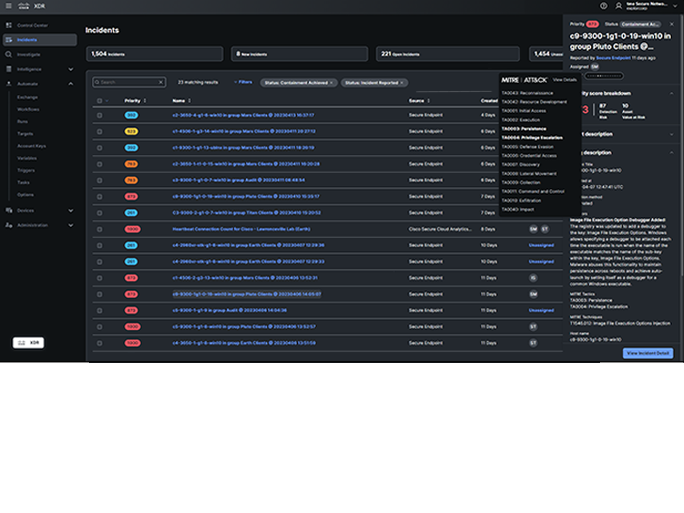 Guides
What Is Cisco XDR? Extended Detection and Response Explained for Security Teams
What is Cisco XDR? It is a cloud-native platform that correlates telemetry from endpoint, network, firewall, identity, email, and DNS into one prioritized incident. Here is how it works and how it differs from SIEM, EDR, and SOAR.
June 16, 2026 · 11 min read Insights
Cisco XDR vs Secure Endpoint vs SIEM: Which Detection Layer Do You Actually Need?
Cisco XDR vs Secure Endpoint vs SIEM, decoded: EDR watches the host, a SIEM hoards the logs, and XDR correlates across both. Here is how each layer fits, where each one stops, and how to decide what your team actually needs.
June 13, 2026 · 11 min read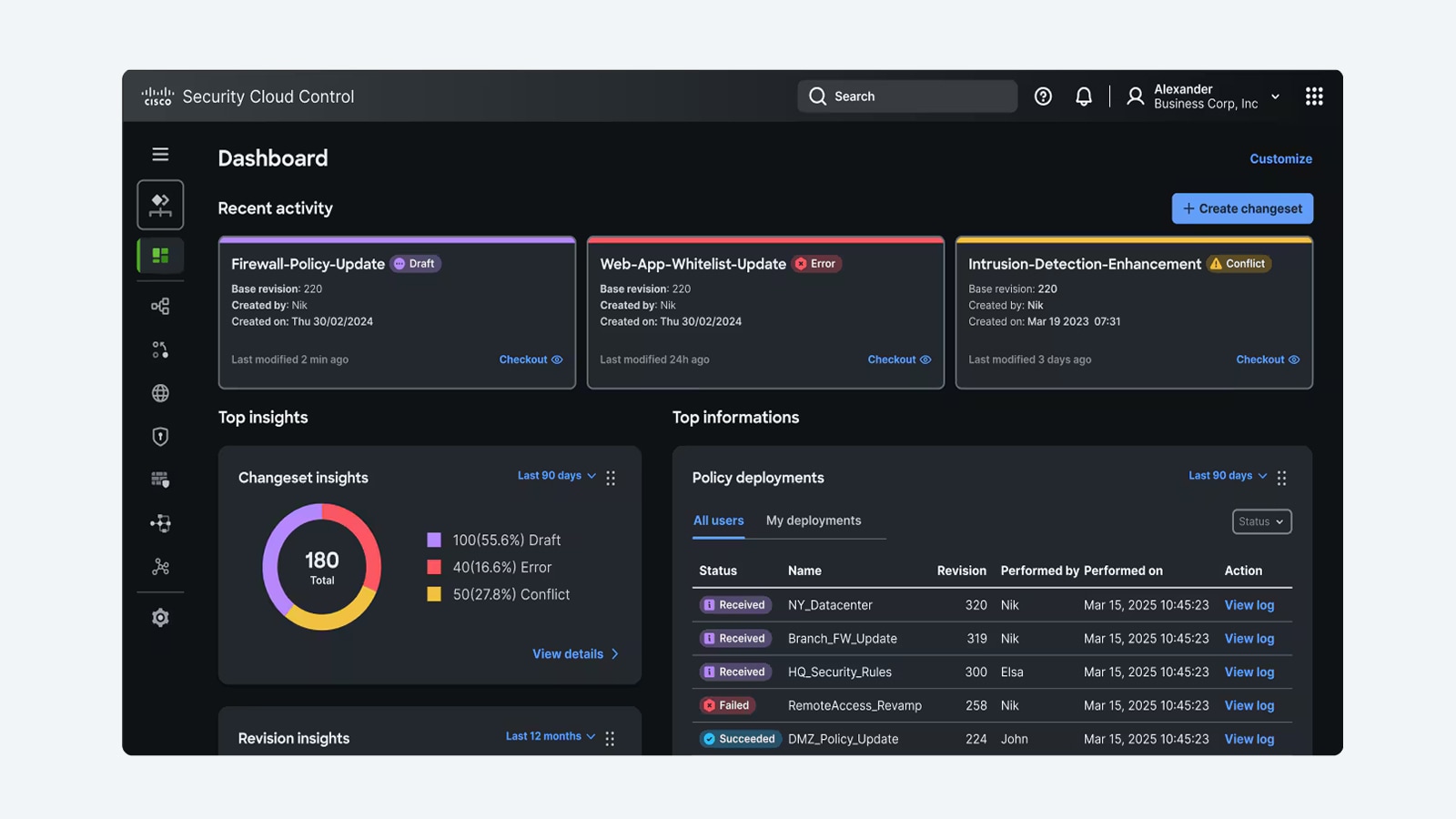 Insights
Cisco Secure Firewall, FTD, and XDR: How Firewall Telemetry Powers Better Detection
Cisco Firepower Threat Defense (FTD) running on Cisco Secure Firewall is one of the richest telemetry sources in your stack. Here is how that firewall data feeds Cisco XDR to turn raw events into correlated, prioritized incidents.
May 30, 2026 · 9 min read Guides
Cisco XDR Pricing and Licensing Explained: Tiers, Costs, and What Drives the Quote
Cisco XDR pricing has no public list price. Here is how the three tiers, telemetry volume, retention, and Enterprise Agreement bundling drive your quote, and how to size it before you ask.
June 15, 2026 · 11 min read News
NewsSalt Typhoon, One Year On: Why Trusted, Monitored Network Infrastructure Matters
A year after Salt Typhoon burrowed into at least nine US carriers and, per the FBI, 200-plus organizations across 80 countries, lawmakers are still demanding proof the intruders are gone. The story has shifted from breach to persistence, and persistence is a procurement and operations problem as much as a security one.
June 7, 2026 · 9 min read Guides
What does ++ mean on a Cisco part number?
The ++ suffix marks Cisco's TAA compliant version of a part number. Same hardware, same license, different certified origin and paperwork. Here is how to read it, when you need it, and how to order it.
September 12, 2026 · 11 min read