

Key takeaways
- A Cisco Catalyst 9500 core switch starts from about $10,000, and high-density 40G/100G models climb past $40,000 before software and support are added.
- The hardware sticker is not the real cost. Licensing tier (Network Essentials vs Advantage), the DNA/Catalyst Center subscription term, and SmartNet change the total dramatically.
- Optics and transceivers are a real line item on a core switch and are usually quoted separately from the chassis.
- SmartNet or Smart Net Total Care runs roughly 10 to 20 percent of hardware list per year depending on service level, and most buyers commit to 3 or 5 years up front.
- List-price aggregators show street pricing only. As an Authorized Cisco Partner, Uniqcli quotes often land below list, and for public sector the deal can flow through a GSA or NASA SEWP contract holder, or directly from Uniqcli via GPC, Simplified Acquisition, or a FAR-based purchase order (our GSA MAS application is in progress).
- The only accurate number is a real quote built around your stack count, license tier, term, and optics.
What a Cisco Catalyst 9500 actually costs
Here is the honest starting point. A Cisco Catalyst 9500 starts from about $10,000 for a lower-density fixed core model, and configurations with higher port counts, 40G and 100G uplinks, and redundant power can run from roughly $20,000 to well past $40,000 for the chassis alone. That is the indicative US street and list range pulled from public price-list aggregators, and it is genuinely useful as a planning anchor. It is also incomplete. The Catalyst 9500 is a core and distribution switch, and core switches are never bought as bare metal. They ship with a software license tier, they require a subscription, and they get wrapped in a support contract that most organizations carry for the life of the box.
So treat the $10,000-plus figure the way you would treat the base price of a building, not a finished one. It tells you the order of magnitude and lets you decide whether the platform belongs in your budget conversation at all. It does not tell you what hits your purchase order. The rest of this guide walks through every layer that sits on top of the sticker, because on a Catalyst 9500 those layers routinely add as much again as the hardware. When you want a number tailored to a real configuration, the fastest path is the instant estimate builder, which lets you size the switch, the license, and the term in one pass.
- Indicative chassis range: from about $10,000 for entry 9500 core models up to $40,000+ for high-density 40G/100G configurations.
- That range is hardware only. It excludes license tier, DNA subscription, SmartNet, optics, and install.
- Public aggregators show list/street pricing. Partner and contract pricing frequently lands below it.
- The only accurate figure is a quote built on your exact stack count, tier, and term.
Why the hardware sticker is not the real cost
This is the core argument of the whole guide, so let me make it plainly. On a Cisco Catalyst 9500 the hardware sticker is the smallest decision you will make. The license tier, the subscription term, the support level, and the optics each move the total by thousands of dollars, and they compound. A switch that looks like a $15,000 buy on an aggregator can land as a $30,000-plus project once you add Network Advantage licensing, a five-year Catalyst Center subscription, 24x7x4 support, and the transceivers it needs to actually connect to anything.
None of that is padding. It is what makes a core switch a core switch. The intelligence, automation, assurance, and segmentation that justify putting a 9500 at the center of a campus or data center fabric live in the software and the subscription, not in the metal. Cisco prices it that way deliberately, and the Catalyst 9300 ordering and pricing guide shows the same Essentials-versus-Advantage and subscription-term structure across the Catalyst 9000 line. If you remember one thing, make it this: budget for the system, not the chassis.
Licensing tiers: Network Essentials vs Network Advantage
Every Catalyst 9500 ships against a software license tier, and you choose between Network Essentials and Network Advantage. Essentials covers core Layer 2 and Layer 3, basic telemetry, and standard automation. Advantage adds the features most organizations actually deploy a 9500 to deliver: flexible NetFlow, advanced segmentation with SGT and VXLAN, SD-Access fabric roles, and the richer assurance that pairs with Catalyst Center. The tier you pick is not a small upcharge on a core switch. Advantage carries a meaningful premium per device, and on a high-port-count 9500 that premium is multiplied across the platform.
The trap is buying Essentials to hit a budget number and then discovering the segmentation or fabric feature you needed lives in Advantage. Re-licensing later is more expensive and more disruptive than buying the right tier up front. This is exactly the kind of decision where talking to an Authorized Cisco Partner before you order saves real money, because the right tier depends on your design, not on a line item. The estimate builder lets you toggle Essentials versus Advantage so you can see the swing before you commit.
The DNA / Catalyst Center subscription term
Here is the piece that surprises first-time Catalyst 9500 buyers. The switch carries a Cisco DNA, now Catalyst Center, subscription, and it is billed by term: typically 3, 5, or 7 years. This is not optional in the way a nice-to-have add-on is optional. The subscription is what entitles you to the software innovation, the assurance, and the security updates that keep the platform current and supported. When the term lapses, you keep forwarding packets, but you lose the entitlements that made you choose a 9500 over a dumb switch in the first place.
Term length is a budget lever most people underestimate. A five-year subscription on a core switch is a multi-thousand-dollar commitment per device, and on a pair of redundant 9500s it is a five-figure line by itself. Longer terms usually lower the annual rate but raise the up-front capital ask, which matters for how you structure the purchase. If you are also weighing a Wi-Fi 7 access layer or a Catalyst 9300 access stack on the same project, the subscriptions stack and the term decision compounds across the whole network. Model it deliberately rather than accepting a default.
SmartNet, optics, PoE, and install
Three more layers turn the configured price into the delivered price. First, support. Smart Net Total Care, or SmartNet, runs roughly 10 to 20 percent of hardware list per year depending on whether you take 8x5xNBD or 24x7x4, and on a core switch most buyers want the faster service level because the 9500 is a single point of failure if it goes down. Multiply that annual figure by a 3 or 5 year commitment and SmartNet alone can rival the cost of the chassis. When renewal time comes, the SmartNet renewal estimate keeps that number honest.
Second, optics. A core switch is defined by its uplinks, and the 40G and 100G transceivers a 9500 needs are a real, separately quoted line item, not an accessory. Third, install and services. Racking, stacking, fabric configuration, migration from the existing core, and validation are professional services, and getting them wrong on a core switch is expensive in downtime. Plan for lifecycle and deployment services and, where relevant, the security integration that ties the switch into your access policy. Watch the end-of-life policy too, because buying near a milestone changes the support math.
- SmartNet/Smart Net Total Care: ~10-20% of hardware list per year; core switches usually warrant 24x7x4.
- Optics: 40G/100G transceivers are a separate, real line item on every 9500.
- Install/services: racking, fabric config, core migration, and validation are professional services.
- End-of-sale/end-of-life timing changes the long-term support and renewal calculation.
Public sector, partner pricing, and the only accurate number
Two things change the picture for most of our customers. First, list is not what you pay. The ranges in this guide come from public price-list aggregators that show list and street pricing. As an Authorized Cisco Partner, Uniqcli quotes frequently land below list through partner pricing and sensible bundling of hardware, license, subscription, and support into one negotiated number. The aggregator tells you the ceiling, not the deal.
Second, for federal, DoD, and SLED buyers, Catalyst 9500 pricing can flow through established contract vehicles held by other partners, such as a GSA or NASA SEWP schedule holder, or directly from Uniqcli via GPC, Simplified Acquisition, or a FAR-based purchase order (our GSA MAS application is in progress). That changes both the number and the paperwork, and it is why a generic web price is rarely the price a public-sector buyer actually sees. The honest conclusion: indicative ranges are for planning, and the only accurate figure is a real quote. Build a fast one in the instant estimate builder, or get a validated, configuration-checked number through request a quote.
Putting it together: a realistic Catalyst 9500 budget
Walk a realistic example. Say you need a redundant pair of mid-density Catalyst 9500s for a campus core. The chassis pair might index around $20,000 to $50,000 depending on port count and uplink speed. Add Network Advantage licensing, a five-year Catalyst Center subscription per switch, the 40G or 100G optics for your uplinks, 24x7x4 SmartNet across the term, and install with core migration. It is entirely normal for the delivered project to land at roughly double the bare hardware figure once those layers are in. That is not a markup, it is the actual cost of standing up a supported core.
This is precisely why a single sticker price for a 9500 is misleading, and why we lead every conversation with configuration rather than catalog. If your project also touches the data center fabric or a Wi-Fi 7 refresh, those decisions interact with the core sizing and the licensing math. The right move is to model the whole thing once, with real inputs. Start in the estimate builder and let an Authorized Cisco Partner pressure-test it before you issue a PO.
Cisco products involved
- Cisco Catalyst 9500 Series Switches
- Cisco Catalyst Center (DNA) subscription
- Cisco Network Essentials / Network Advantage licensing
- Cisco Smart Net Total Care (SmartNet)
- Cisco optics and transceivers
- Cisco Catalyst 9300 Series Switches
Frequently asked questions
How much does a Cisco Catalyst 9500 cost?
Indicatively, a Catalyst 9500 starts from about $10,000 for a lower-density core model and can exceed $40,000 for high-density 40G/100G configurations, hardware only. Add Network Essentials or Advantage licensing, a 3 to 7 year Catalyst Center subscription, SmartNet, and optics, and the delivered cost is often roughly double the chassis price. Those are planning ranges from public price-list aggregators, not a fixed Uniqcli price. The only accurate number is a quote, which you can build in the instant estimate builder.
Do I have to buy a subscription with a Catalyst 9500?
Effectively yes. The 9500 carries a Cisco DNA / Catalyst Center subscription billed by term, typically 3, 5, or 7 years. It entitles you to software innovation, assurance, and security updates. If the term lapses the switch keeps forwarding traffic but loses those entitlements, which is most of the reason you bought a 9500 over a basic switch.
What is the difference between Network Essentials and Network Advantage on the 9500?
Essentials covers core L2/L3, basic telemetry, and standard automation. Advantage adds flexible NetFlow, advanced segmentation (SGT, VXLAN), SD-Access fabric roles, and richer assurance. Advantage carries a per-device premium that multiplies on a high-port-count core switch, so choosing the right tier up front matters. You can compare both in the estimate builder.
How much is SmartNet on a Catalyst 9500?
SmartNet or Smart Net Total Care typically runs about 10 to 20 percent of hardware list per year, depending on whether you choose 8x5xNBD or 24x7x4. Core switches usually warrant the faster 24x7x4 tier. Across a 3 to 5 year term that support can rival the cost of the chassis. The SmartNet renewal estimate gives a current figure.
Can Uniqcli price a Catalyst 9500 below list?
Often, yes. Public aggregators show list and street pricing. As an Authorized Cisco Partner, Uniqcli frequently quotes below list through partner pricing and by bundling hardware, license, subscription, and support into one negotiated number. Federal, DoD, and SLED buyers can buy through a GSA or NASA SEWP contract holder, or directly from Uniqcli via GPC, Simplified Acquisition, or a FAR-based purchase order (our GSA MAS application is in progress). Get a validated number through request a quote.
Why is the real cost higher than the price I see online?
Because the online sticker is hardware only. A Catalyst 9500 is a core switch, and its value lives in the software: the license tier, the multi-year Catalyst Center subscription, SmartNet support, the 40G/100G optics it needs to connect, and the professional services to install and migrate. Those layers compound and routinely add as much again as the chassis.
Uniqcli Team
The Uniqcli Team is an authorized Cisco partner specializing in Catalyst wireless, switching, datacenter fabric, licensing, and managed services for U.S. federal, state, local, and education customers. We scope Cisco bills of materials, validate procurement paths (TAA, FIPS, contract vehicles), and deliver design, deployment, and managed operations.
Ready to scope your Cisco build?
Build a quoteRelated reading
View all → Guides
How Much Does a Cisco Catalyst 9200 Cost?
A Catalyst 9200 starts from about $1,500, but licensing tier, subscription term, SmartNet, optics, PoE, and install push the real number much higher. Here is how to budget it honestly.
February 14, 2026 · 9 min read Guides
How Much Does a Cisco Catalyst 9300 Cost?
A new Catalyst 9300 starts around $5,000 at list for a small data-only model, but the switch on the shipping label is rarely the number you actually pay. Licensing tier, subscription term, SmartNet, optics, PoE, and install are what move the real total, and only a quote tells you the truth.
February 11, 2026 · 9 min read Guides
How Much Does a Cisco Wi-Fi 7 Access Point Cost?
A Cisco Wi-Fi 7 access point starts from about $1,000, but the license tier, subscription term, SmartNet, PoE, and install decide what you actually pay. Here is how the real number takes shape, and why a quote is the only accurate one.
February 27, 2026 · 8 min read Guides
Cisco Licensing Cost Explained: Essentials vs Advantage vs Premier
Cisco hardware sticker prices are only the opening number. Here is how Essentials, Advantage, and Premier licensing tiers, subscription terms, and SmartNet quietly decide what you actually pay.
March 26, 2026 · 9 min read Guides
How Much Does Cisco Catalyst Center (DNA) Licensing Cost?
Catalyst Center (formerly Cisco DNA) licensing starts from roughly $25 to $150 per device, per year, but tier, subscription term, controller appliance, and SmartNet make the real number very different. Here is how the cost actually builds.
March 10, 2026 · 9 min read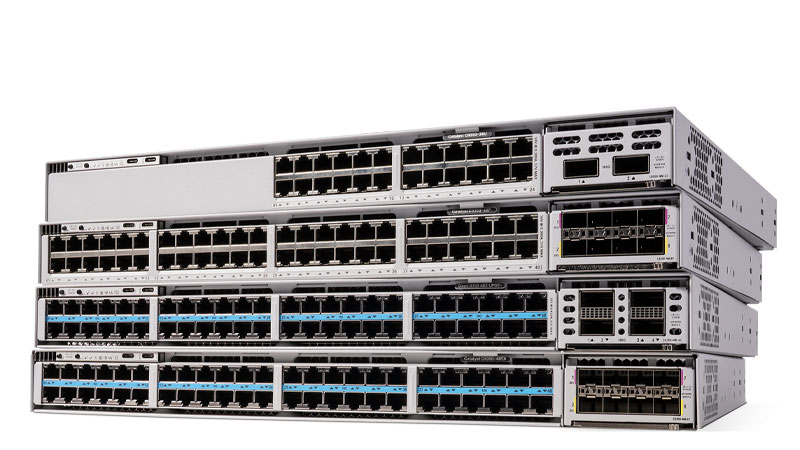 Guides
WS-C4500X-32SFP+ EOL & Catalyst 9500-48Y4C Migration
The Catalyst 4500-X 32-Port 10G (WS-C4500X-32SFP+) hit Last Day of Support on October 31, 2025, here is a concrete plan to migrate to the higher-density, 25G/100G Catalyst 9500-48Y4C.
November 20, 2025 · 8 min read